IMPORTANT: All the content presented on this website is for educational purposes only. Product descriptions, industry news, and blog posts are intended to inform and broaden your knowledge on the topic. Consult a specialist before making any decisions regarding peptide usage.
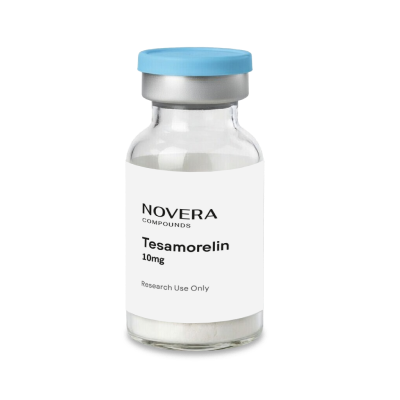
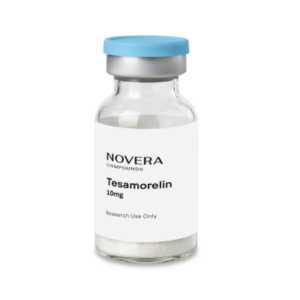
At PeptidePeak, our research portfolio is built on compounds with well-characterized mechanisms, robust clinical data, and clear scientific rationale. Tesamorelin — a stabilized synthetic analog of human growth hormone-releasing hormone (GHRH) — stands as one of the most extensively studied peptides in modern endocrinology research, distinguished by being the only GHRH analog to receive FDA approval for a clinical indication.
Originally developed by Theratechnologies Inc. and approved by the U.S. Food and Drug Administration in November 2010, tesamorelin is currently the only approved pharmacologic agent specifically indicated for the reduction of excess abdominal fat in HIV-infected patients with lipodystrophy. Its clinical development history — spanning phase II through phase III randomized controlled trials — provides a level of evidentiary depth rare among research peptides. This makes tesamorelin an exceptionally valuable investigational tool for researchers studying the growth hormone axis, visceral adipose tissue biology, hepatic metabolism, and neuroendocrine signaling.
Beyond its approved indication, tesamorelin continues to be actively investigated across a growing range of research domains. A 2019 randomized, double-blind multicenter trial published in The Lancet HIV demonstrated that tesamorelin significantly reduced liver fat and prevented fibrosis progression in HIV-associated non-alcoholic fatty liver disease (NAFLD) — making it the first pharmacologic strategy to demonstrate efficacy against NAFLD in this population. Parallel lines of research explore tesamorelin’s effects on skeletal muscle composition, cognitive function, and metabolic regulation in aging models.
This guide presents a detailed overview of tesamorelin’s biochemical characteristics, molecular modifications, mechanism of action, and primary research applications — contextualized by current peer-reviewed literature and appropriate for use by clinical researchers, pharmacologists, and endocrinology specialists.
Biochemical Characteristics of Tesamorelin
Molecular Profile and Structural Modification
Tesamorelin is a 44-amino acid synthetic polypeptide that corresponds to the full-length sequence of endogenous human GHRH, with a critical structural modification at the N-terminus. Specifically, a trans-3-hexenoyl group (a hydrophobic fatty acid moiety) is covalently attached to the tyrosine residue at the amino-terminal end of the peptide.
This modification was developed in direct response to a key pharmacological limitation of native GHRH: rapid enzymatic degradation in vivo by dipeptidylaminopeptidase IV (DPP-4), a serum enzyme that cleaves the N-terminal dipeptide of GHRH within minutes of administration. The hexenoyl capping of the N-terminus effectively blocks DPP-4 access, rendering tesamorelin resistant to this primary degradation pathway and substantially extending its pharmacological half-life compared to endogenous GHRH.
“The structural innovation behind tesamorelin is elegant in its simplicity: by protecting the N-terminus from DPP-4 cleavage with a trans-hexenoyl group, researchers produced a full-length GHRH analog that retains complete receptor binding fidelity while achieving the circulatory stability necessary for meaningful endocrine stimulation in research models.”
— Fourman LT & Stanley TL, Massachusetts General Hospital / Harvard Medical School — leading investigators in tesamorelin research
The result is a molecule that combines full-length GHRH receptor engagement — targeting all 44 amino acids relevant to receptor binding — with enhanced metabolic stability. Preclinical studies confirmed that tesamorelin was resistant to DPP-4 deactivation and produced markedly increased plasma GH and IGF-1 levels following once-daily subcutaneous administration.
Tesamorelin — Key Molecular Characteristics
Characteristic
Details
Amino acid length
44 amino acids — full-length human GHRH sequence
Chemical classification
Polypeptide, GHRH analog
N-terminal modification
Trans-3-hexenoyl group conjugated to Tyr-1
Primary degradation resistance
DPP-4 (dipeptidylaminopeptidase IV) inhibition
Mechanism type
Secretagogue — stimulates endogenous GH release
Target receptor
GHRH receptor (GHRH-R) on anterior pituitary somatotroph cells
Intracellular cascade
Adenylate cyclase → cAMP → GH synthesis and secretion
Tesamorelin’s mechanism operates through highly specific interactions within the hypothalamic-pituitary-growth hormone (HPGH) axis. Upon subcutaneous administration, tesamorelin binds with high affinity to GHRH receptors (GHRH-R) expressed on somatotroph cells in the anterior pituitary gland. GHRH-R is a G-protein-coupled receptor, and its activation initiates a well-characterized intracellular signaling cascade:
Receptor binding activates the adenylate cyclase enzyme
Adenylate cyclase converts ATP to cyclic adenosine monophosphate (cAMP)
Elevated intracellular cAMP activates protein kinase A (PKA)
Growth hormone is synthesized and released in a pulsatile pattern into systemic circulation
GH acts on hepatocytes and peripheral tissues to stimulate IGF-1 and IGFBP-3 production
A key distinguishing feature of tesamorelin — and GHRH analogs generally — is the preservation of intact hypothalamic-pituitary feedback regulation. Because tesamorelin acts upstream of GH secretion rather than replacing GH directly, the natural regulatory mechanisms remain functional. Elevated GH and IGF-1 continue to exert negative feedback on hypothalamic somatostatin release and on pituitary somatotrophs, preventing sustained supraphysiological hormone elevations and reducing the adverse effects commonly associated with exogenous GH administration.
“GHRH analogs like tesamorelin preserve physiological pulsatility and feedback inhibition in a way that exogenous GH simply cannot. This distinction is critical for long-term endocrine research — it allows us to study how the somatotropic axis adapts to intervention while respecting the body’s own regulatory architecture.”
— Stanley TL & Grinspoon SK, Neuroendocrine Unit, Massachusetts General Hospital, Harvard Medical School
Tesamorelin — Mechanisms of Action Summary
Mechanism
Molecular Action
Research Significance
GHRH-R Binding
High-affinity binding to Gs-coupled GHRH receptor on somatotrophs
Enables study of pituitary reserve and receptor pharmacology
Molecular pathway research, second messenger biology
Pulsatile GH Secretion
Mimics endogenous circadian GH release rhythm
Maintains physiological hormone dynamics for longitudinal studies
IGF-1 Stimulation
GH-mediated hepatic IGF-1 and IGFBP-3 synthesis
Downstream growth factor signaling, tissue anabolism research
Feedback Preservation
Intact somatostatin and IGF-1 negative feedback regulation
Safer long-term endocrine investigation vs. exogenous GH
Lipolysis Activation
GH-mediated triglyceride breakdown in visceral adipose tissue
Visceral fat biology, metabolic syndrome models
Primary Research Applications
Area #1: HIV-Associated Lipodystrophy and Visceral Adipose Tissue
Tesamorelin’s most extensively documented research application — and the basis of its FDA approval — is the investigation and management of lipodystrophy in HIV-infected individuals undergoing highly active antiretroviral therapy (HAART). Lipodystrophy in this population is characterized by pathological accumulation of visceral adipose tissue (VAT) associated with metabolic dysregulation, dyslipidemia, and elevated cardiovascular risk.
Two pivotal phase III multicenter, randomized, double-blind, placebo-controlled trials (LIPO-010 and CTR-1011) established tesamorelin’s efficacy in this application. A pooled analysis of these trials — involving 816 HIV-infected patients treated for up to 52 weeks — demonstrated that tesamorelin produced approximately 15% reduction in VAT compared to placebo, with improvements in waist circumference and triglyceride profiles.
A 2023 post-hoc analysis published in Open Forum Infectious Diseases further demonstrated that tesamorelin reduced VAT by 8.3% while the placebo group experienced a 10.8% increase, with a concomitant 31% relative reduction in hepatic fat fraction in tesamorelin-treated participants (p=0.006) — specifically among individuals receiving integrase inhibitor (INSTI)-based antiretroviral regimens.
Area #2: Non-Alcoholic Fatty Liver Disease (NAFLD) and Hepatic Metabolism
The investigation of tesamorelin in NAFLD represents one of the most significant expansions of its research profile in recent years. A landmark randomized, double-blind multicenter trial published in The Lancet HIV enrolled 61 HIV-infected patients with hepatic fat fraction (HFF) of 5% or greater and randomized them 1:1 to receive tesamorelin 2mg daily or placebo for 12 months.
Key findings included a 37% relative reduction in liver fat content in the tesamorelin group versus placebo (absolute effect: −4.1%, 95% CI −7.6 to −0.7, p=0.02). Critically, 35% of placebo-treated participants experienced worsening fibrosis, compared to only 10% in the tesamorelin group.
“Tesamorelin is the first pharmacologic strategy to demonstrate efficacy specifically against NAFLD in the HIV population, reducing liver fat and preventing fibrosis progression in a rigorously designed randomized controlled trial.”
— Stanley TL & Grinspoon SK, The Lancet HIV, 2019
Subsequent transcriptomic and proteomic analyses of liver biopsy specimens identified the molecular mechanisms underlying these hepatic effects. Tesamorelin upregulated gene sets involved in oxidative phosphorylation and downregulated pathways contributing to inflammation, tissue repair, and cell division. Significant reductions were observed in VEGFA, TGFB1, and CSF1 — mediators with established roles in hepatic fibrogenesis and inflammatory signaling.
Area #3: Skeletal Muscle Composition and Sarcopenia Research
Beyond its established effects on visceral fat, tesamorelin has been investigated for its effects on skeletal muscle quality and quantity — endpoints highly relevant to aging research and frailty prevention. A study published in the Journal of Frailty & Aging analyzed computed tomography data from two prior randomized clinical trials to assess tesamorelin’s effects on trunk muscle density and area.
Among tesamorelin responders (defined as those achieving at least 8% VAT reduction), significant improvements were observed in density of four truncal muscle groups, as well as increases in lean muscle area of rectus and psoas muscles compared to placebo — with all key comparisons reaching p<0.005. These findings support the investigation of tesamorelin in models of sarcopenia, muscle wasting, and age-related decline in skeletal muscle mass and function.
Area #4: Metabolic Regulation, Lipid Biology, and Glucose Homeostasis
Growth hormone exerts pleiotropic effects on metabolic regulation, and tesamorelin’s capacity to restore pulsatile GH secretion makes it a valuable research tool in studies of lipid metabolism, insulin signaling, and energy substrate utilization.
In clinical research models, tesamorelin has been documented to reduce triglyceride concentrations alongside VAT — a finding of particular relevance given the established relationship between visceral adiposity, dyslipidemia, and cardiovascular risk. Unlike direct exogenous GH administration, tesamorelin-induced GH stimulation has not been associated with significant increases in insulin resistance at physiological doses in most study populations, though glucose tolerance monitoring remains appropriate, as tesamorelin may predispose susceptible individuals to glucose intolerance.
Area #5: Neuroendocrine and Cognitive Research
Emerging research explores the relationship between GH/IGF-1 axis signaling and cognitive function, neuroplasticity, and age-associated neuroendocrine decline. GH and IGF-1 receptors are expressed in regions of the brain associated with memory consolidation and executive function, including the hippocampus and prefrontal cortex.
Investigational studies have explored whether restoration of pulsatile GH secretion via GHRH analog administration influences cognitive performance in older adults and populations at elevated risk for neurodegenerative conditions. Early study designs have used tesamorelin as the exposure agent, leveraging its established pharmacological profile to probe GH-axis influences on brain health outcomes. Research in this domain is ongoing and results should be interpreted within appropriate mechanistic frameworks.
Tesamorelin — Research Applications Overview
Research Area
Primary Applications
Key Evidence
Evidentiary Level
HIV-Associated Lipodystrophy
VAT reduction, lipid profile improvement, body composition
Significant increases in trunk muscle density and area
RCT Secondary Analysis
Metabolic & Lipid Biology
Triglyceride reduction, lipolysis, glucose homeostasis research
VAT-parallel triglyceride reduction; preserved feedback vs. exogenous GH
Multiple RCTs
Neuroendocrine & Cognition
GH-axis cognitive effects, brain health aging models
Early-stage clinical investigation
Investigational
Tesamorelin vs. Related GH-Axis Research Compounds
Compound
Mechanism
Key Advantage
Primary Research Use
Tesamorelin (GHRH 1-44 + N-mod)
Full-length GHRH analog; DPP-4 resistant
Highest clinical evidence base; FDA approval; preserved feedback
Lipodystrophy, NAFLD, metabolic & muscle research
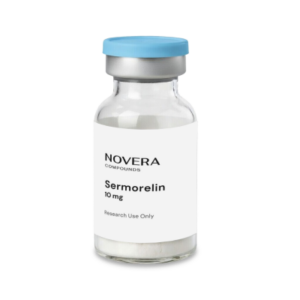
Sermorelin (GHRH 1-29)
Truncated GHRH analog
Shorter fragment; pituitary stimulation testing; long research history
Pituitary function, pediatric GHD, aging models
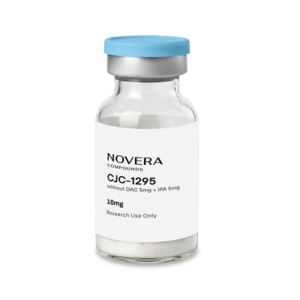
CJC-1295
Long-acting GHRH analog with DAC
Extended half-life; less frequent dosing
Chronic GH axis stimulation models
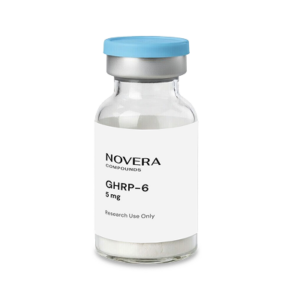
GHRP-6 / Ipamorelin
Ghrelin receptor agonists (GHS-R1a)
Different receptor pathway; orally active options
Appetite regulation, alternative GH secretagogue studies
Exogenous recombinant GH
Direct hormone replacement
Predictable, quantifiable GH elevation
Severe deficiency models; GH receptor research
Research Safety Profile and Tolerability Considerations
For researchers working with tesamorelin in investigational settings, an understanding of its documented adverse effect profile is essential for appropriate study design and participant monitoring protocols.
In phase III clinical trials, tesamorelin was generally well tolerated across pooled analyses of over 800 participants followed for up to 52 weeks. The most commonly reported adverse effects include:
Injection site reactions (erythema, pruritus, pain)
Peripheral edema
Arthralgia and myalgia
Flushing and headache
From an endocrine perspective, tesamorelin elevates IGF-1 levels, and monitoring for IGF-1 elevations above the upper limit of normal is recommended in research protocols. Glucose tolerance may be adversely affected in susceptible individuals, and a small proportion of participants in clinical trials developed diabetes. Tesamorelin is contraindicated in pregnancy and in individuals with active malignancy, pituitary tumor, or disrupted pituitary-hypothalamic anatomy.
Notably, unlike direct exogenous GH administration, tesamorelin has not been associated with hepatotoxicity in clinical trials. The NCBI LiverTox database classifies tesamorelin with a Likelihood Score of E — “unlikely cause of clinically apparent liver injury”.
FAQ
What distinguishes tesamorelin from other GHRH analogs such as Sermorelin?
The primary structural distinction is length and modification. Sermorelin comprises the first 29 amino acids of GHRH (GHRH 1-29) and lacks N-terminal modification. Tesamorelin is the full 44-amino acid sequence with a trans-3-hexenoyl group at the N-terminus. This modification confers substantially greater resistance to DPP-4 enzymatic degradation, extending tesamorelin’s effective half-life and enabling more sustained pituitary stimulation per dose. Critically, tesamorelin is the only GHRH analog with FDA approval for a clinical indication and with phase III randomized controlled trial evidence across multiple research domains.
What is the documented effect of tesamorelin on hepatic fat?
In the pivotal Lancet HIV trial, tesamorelin produced a 37% relative reduction in hepatic fat fraction compared to a 27% relative increase in the placebo group over 12 months (p=0.02). Fibrosis progression was observed in 35% of placebo participants versus 10% in the tesamorelin group. Subsequent transcriptomic analysis identified upregulation of oxidative phosphorylation pathways and downregulation of inflammatory and fibrogenic gene sets as contributing mechanisms.
Does tesamorelin preserve natural growth hormone regulatory feedback?
Yes — this is one of tesamorelin’s key mechanistic advantages over direct exogenous GH. Because tesamorelin acts at the level of the GHRH receptor rather than replacing GH, the natural somatostatin-mediated negative feedback and IGF-1-mediated feedback loops remain intact. This preserves physiological pulsatility and limits the risk of sustained supraphysiological GH/IGF-1 elevations, making it a more physiologically faithful research tool for long-term endocrine studies.
How is tesamorelin typically administered in research protocols?
In clinical research, tesamorelin is administered via subcutaneous injection, typically at a dose of 2mg once daily. The absolute bioavailability following subcutaneous administration was determined to be less than 4% in healthy adults — consistent with other peptide therapeutics, which are not orally bioavailable due to gastrointestinal proteolytic degradation. Pharmacokinetic studies confirmed a linear increase in PK parameters across doses of 0.5, 1, and 2mg/day in healthy male volunteers.
What regulatory framework applies to tesamorelin in research settings?
Tesamorelin is supplied by PeptidePeak strictly for research and investigational purposes. The FDA-approved indication (Egrifta®) applies to clinical therapeutic use in HIV-associated lipodystrophy under physician supervision. Research use outside of this approved indication requires appropriate institutional regulatory oversight, ethics review, and compliance with applicable federal and state regulations governing investigational peptide research.
7 Sources are used
Falutz J, Mamputu JC, Potvin D, et al. Effects of Tesamorelin in HIV-Infected Patients with Excess Abdominal Fat. https://pubmed.ncbi.nlm.nih.gov/20554713/
Stanley TL, et al. Effects of Tesamorelin on Non-Alcoholic Fatty Liver Disease in HIV. https://www.thelancet.com/journals/lanhiv/article/PIIS2352-3018(19)30338-8/fulltext
National Center for Biotechnology Information. Tesamorelin — LiverTox. https://www.ncbi.nlm.nih.gov/books/NBK548730/
Fourman LT, Billingsley JM, Agyapong G, et al. Effects of Tesamorelin on Hepatic Transcriptomic Signatures in HIV-Associated NAFLD. https://pubmed.ncbi.nlm.nih.gov/32701508/
McLaughlin T, Grinspoon SK, Stanley T, Fourman L. Tesamorelin Reduces Visceral Adipose Tissue and Liver Fat in INSTI-Treated Persons with HIV. https://doi.org/10.1093/ofid/ofad500.1334
Adrian S, Scherzinger A, Sanyal A, et al. Tesamorelin Decreases Muscle Fat and Increases Muscle Area in Adults with HIV. https://pubmed.ncbi.nlm.nih.gov/31237318/


There are no reviews yet.